Understanding diastasis recti goes far beyond identifying a “gap” in the abdominal wall. It’s about recognizing how breathing, pressure management, and whole-body movements can shape pregnancy, postpartum recovery, and core strength.
This article breaks down what diastasis recti means, what causes it, and what effective, evidence-based treatment actually looks like.
What Is Diastasis Recti?
The term diastasis recti is often thought to mean a separation of the rectus abdominis muscles. However, the condition is actually something different.
DEFINITION
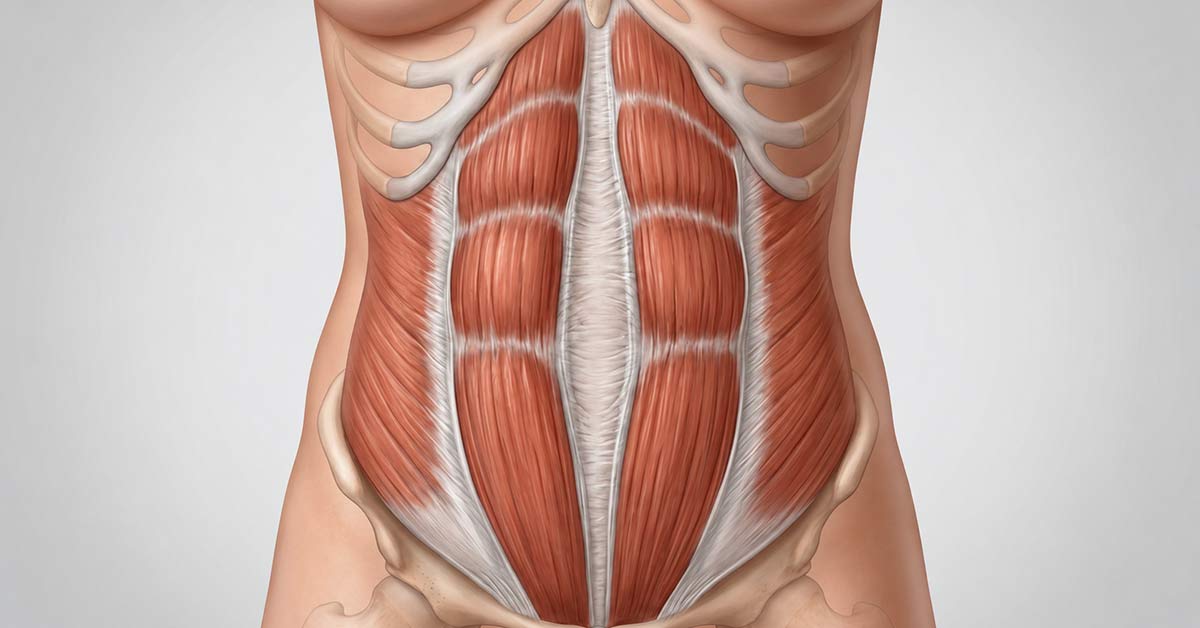
Diastasis recti is a thinning and loss of tension in the linea alba.
During pregnancy, the linea alba stretches to accommodate the growing uterus. This widening is a natural adaptation in pregnancy, but let's look at how persistent changes might affect how the abdominal wall manages pressure and transfers load.
Who Can Get Diastasis Recti?
While diastasis recti occurs across all populations, it is extremely common during pregnancy and the early postpartum period.
As the abdominal wall adapts to accommodate the growing uterus, the abdominal muscles lengthen to approximately 115% of their resting length. Research shows that diastasis recti occurs to some degree in 100% of pregnancies by full term (Mota et al., 2015).
What Happens After Birth?
Because the abdominals naturally thicken to some extent postpartum, many cases resolve on their own.
Prevalence gradually decreases over the first year postpartum, but diastasis can persist: 60% at 6 weeks postpartum, 39% at 6 months, and 32% at 12 months (Mota et al., 2015; Sperstad et al., 2016).
Diastasis recti prevalence after birth
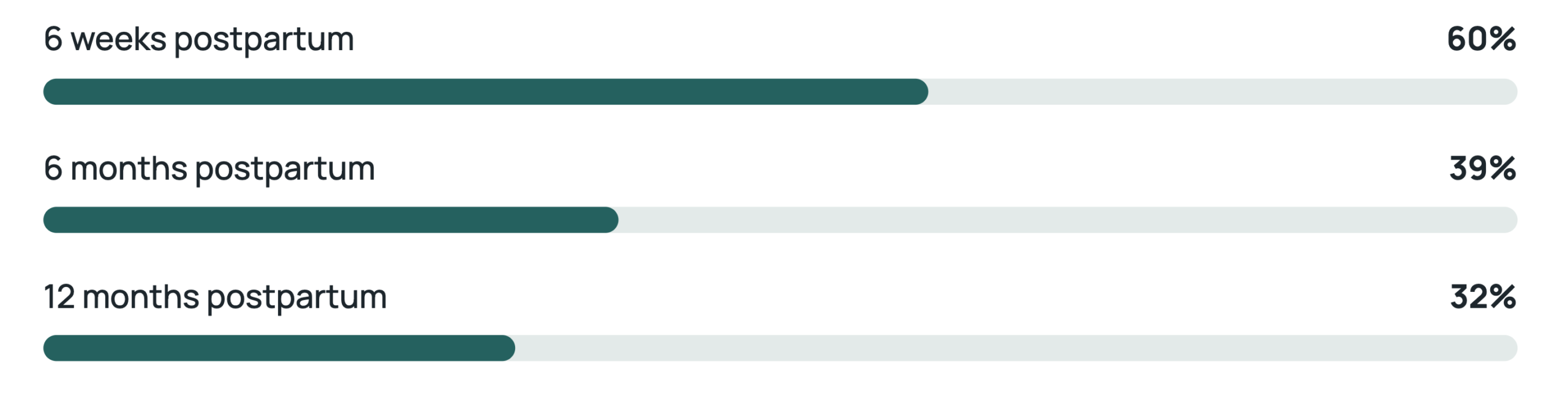
Sources: Mota et al., 2015; Sperstad et al., 2016
For those whose symptoms or functional limitations persist, targeted assessment can help to determine whether intervention is appropriate.
Who Else Can Develop Diastasis Recti?
Anyone who has never been pregnant
Factors such as heavy lifting, poor pressure management, abdominal muscle imbalances, chronically bearing down, anterior pelvic tilt, and rib flare may contribute. This can be particularly common in older men.
Infants and young children
Often as their abdominal wall develops. Most cases resolve naturally within the first three years as strength and coordination improve.
Athletes of any gender
Particularly when high intensity exercise generates more intra-abdominal pressure than the abdominal wall can effectively manage. Doming or coning along the midline during exercise can be an important clinical clue, especially when considered alongside other complaints.
Types of Diastasis Recti: Above the Navel, Below the Navel, and More
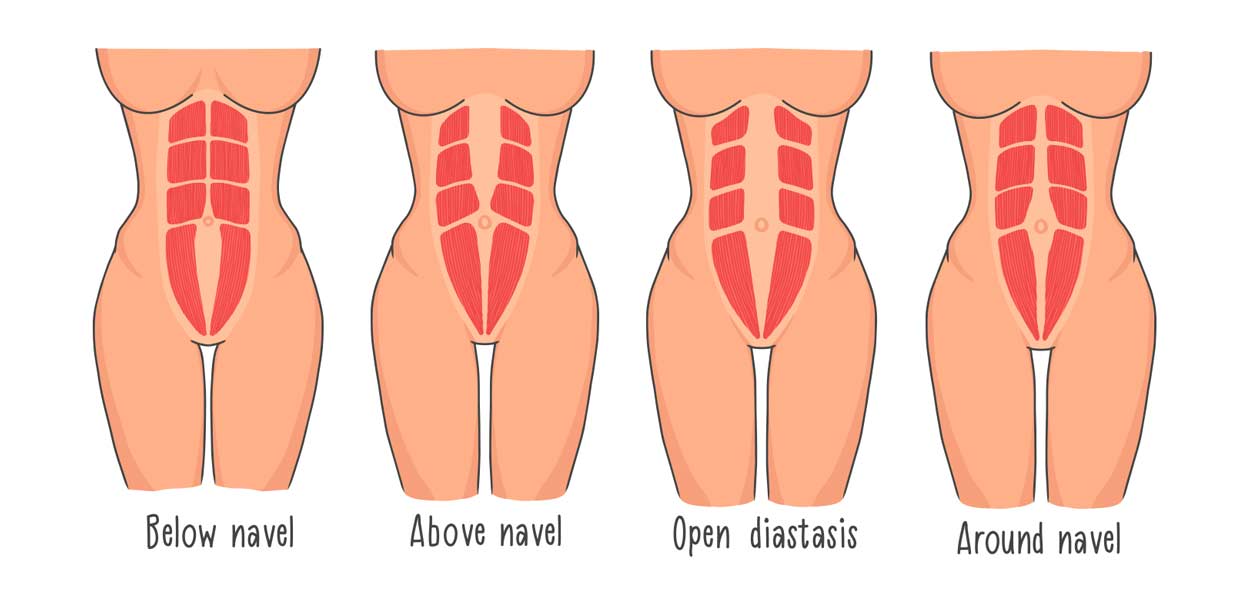
Types of Diastasis Recti and What They Mean
Not every diastasis recti looks or behaves the same. The presentation of a diastasis can offer useful clues about how the abdominal wall is managing pressure, where additional support may be needed, and other contributing factors from the kinetic chain.
Above the Navel
When thinning is more pronounced above the belly button, you may notice doming or a ridge in the upper midline during movements such as sit-ups, rolling, or upper body exercises. This presentation often involves a wide infrasternal angle and weaker upper abs, particularly the external obliques.
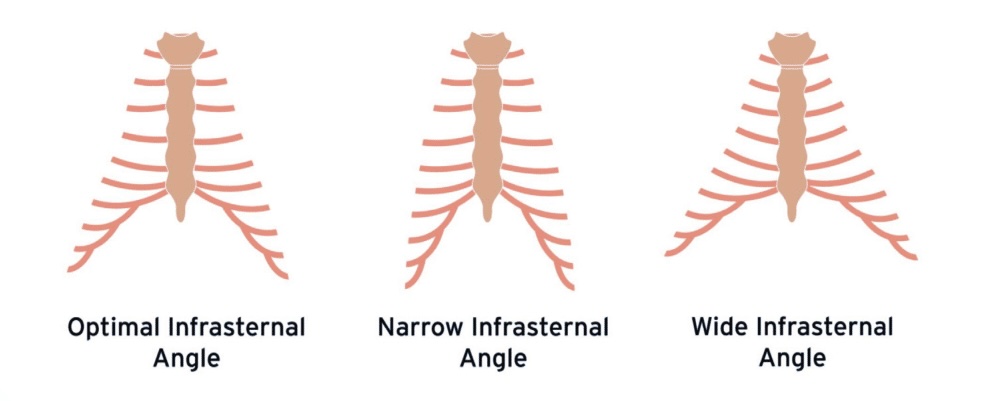
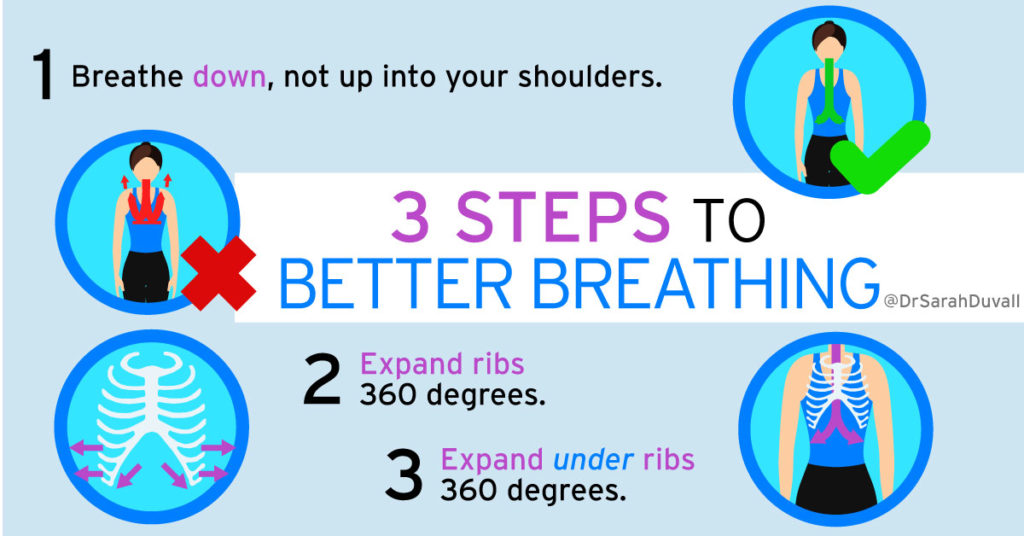
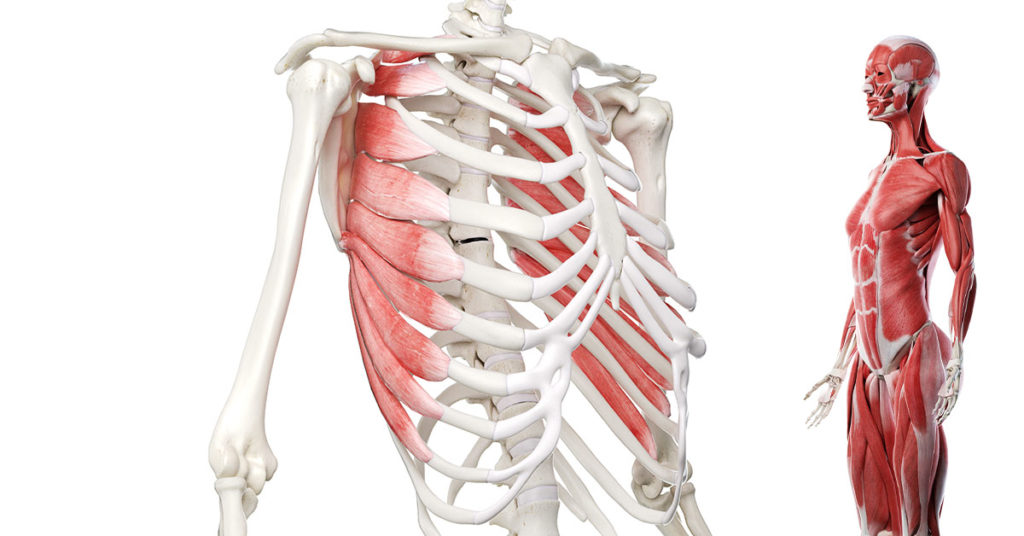
Rib cage mobility is also limited, affecting rib cage closure and resting position, which can alter the abdominal muscle length-tension relationship and contribute to shallow breathing.
Addressing rib cage mobility and external oblique strength will improve the infrasternal angle. This will impact the resting tone of the abs, decrease tension on the linea alba, and better position the diaphragm for improved breathing and bracing mechanics.
Difficulty engaging the external obliques and limited rib cage mobility to close the rib cage also limits the ability to create active compression through the midline for driving movements such as thoracic rotation and flexion at the thoracolumbar junction. Restricted rotation can then lead to compensation through excessive extension and overactive back muscles, placing too much strain through the linea alba.
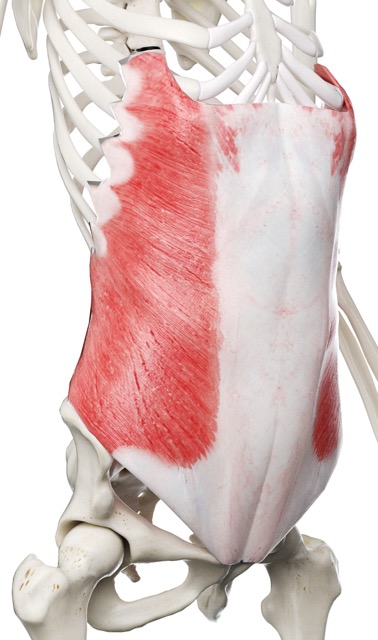
You might also see a forward rib flare due to overly lengthened upper rectus abdominis muscles and/or overactive paraspinals, diaphragm, and proximal psoas as a spinal stabilizer.
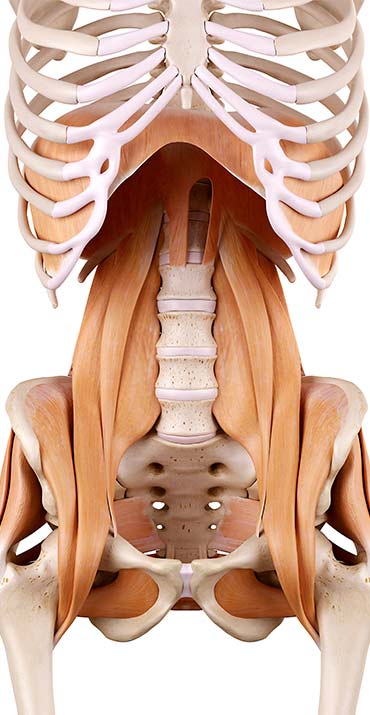
Individuals might add a layer of gripping for stability in overly lengthened tissue and present with a swayback posture.
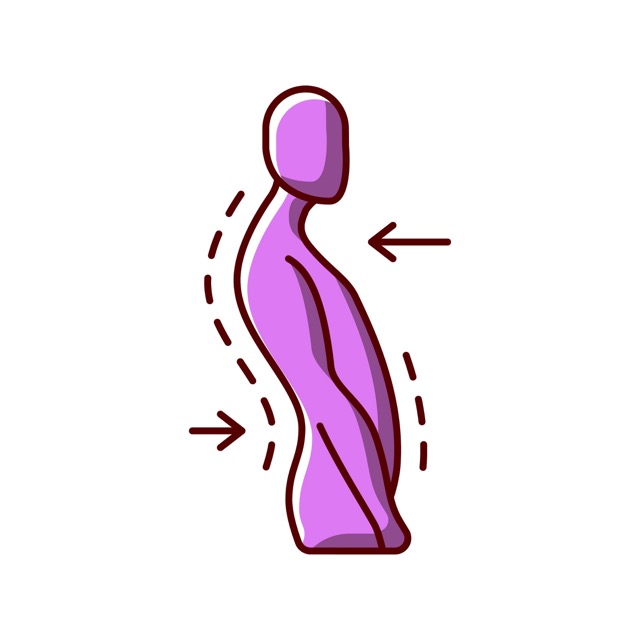
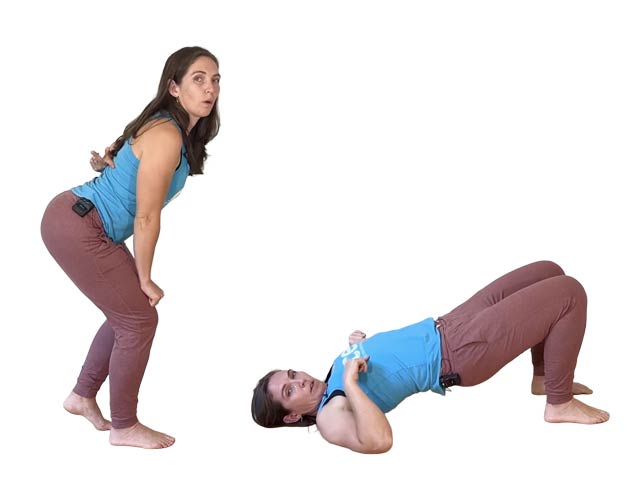
A masked rib flare from upper ab gripping is often revealed if it appears when they lie down on their back, or you may see a constant crease in their upper abs from gripping.

A persistent diastasis here can be due areas outside of the rib cage and abs. They might have a tight pelvic floor limiting their breath from being able to go down, or they may be driving excessive movement in their rib cage and spine at the thoracolumbar junction due to poor movement in their hips and pelvis.
Below the Navel
Thinning below the belly button often accompanies reduced strength and coordination in the lower abdominal muscles such as the rectus, internal obliques, and TAs.
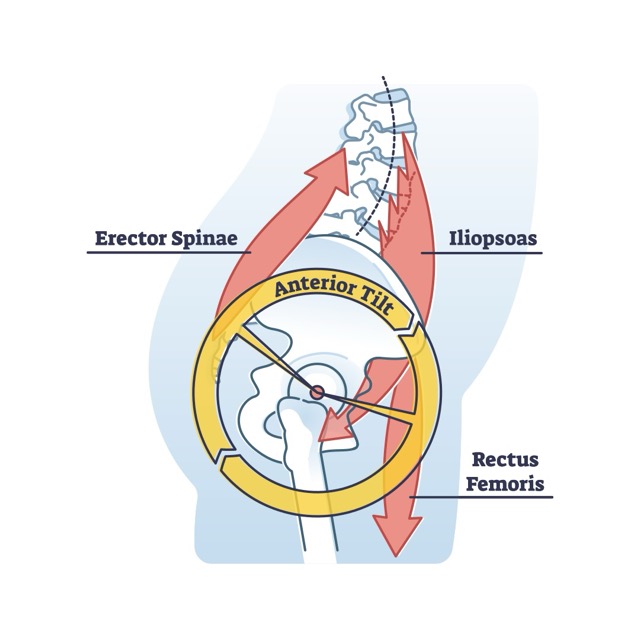
Without sufficient tension through the linea alba in this area, the lower abdomen may appear to bulge or pooch. This can often coincide with a pelvis in an excessive anterior pelvic tilt and spinal extension, or excessive movement in the lower lumbar spine during lower body movements.
If someone adds a layer of glute or upper ab gripping or hangs forward in their hips, this can put more outward pressure on their front lower abs.
Because lower abdominal and pelvic floor strength and function are connected, it’s important to consider what is happening in their pelvic floor. Reduced support in the lower abdominals can coincide with front pelvic floor weakness. On the flip side, a tight pelvic floor can redirect excessive pressure outward into the lower abs. Either way, some clients may also report pelvic floor symptoms such as leaking.
Addressing the resting pelvic position by increasing proximal hamstring and lower ab strength and decreasing paraspinal and hip flexor stiffness will further support the lower abdominals. It can also be helpful to decrease compression from above through improved rib cage expansion and downregulating upper abs.
Along these same lines, they’ll often need to address hip and pelvic mechanics to improve lower abdominal muscle length and tension. Poor lumbar spine and pelvic stability due to weakened lower abs and poor hip mobility and strength can go hand-in-hand with a persistent lower diastasis.
At the Navel
Because the navel is a natural weak point in the abdominal wall where multiple tissue layers merge and scar tissue forms from the umbilical cord, diastasis frequently occurs here. This can often coincide with an umbilical hernia, making the bulge at the belly button more prominent.
In this population, the cue to “pull your belly button to your spine” (which targets the middle TAs) is actually helpful as this area is often weaker. They often have contributing factors from both above and below, and will need to coordinate the opposite external and internal obliques to drive thoracic rotation.
Along the Full Midline
Some of your clients will have thinning that extends from above to below their belly button. This is particularly common in the early postpartum period as the abdominal wall recovers from pregnancy. These individuals benefit from a more comprehensive approach that addresses breathing mechanics, abdominal coordination, and mobility in their hips, shoulders, and trunk.
A small gap isn't necessarily the goal, and a wider gap doesn't automatically indicate dysfunction. Clinically, what matters is the quality of tension in the linea alba and how well the abdominal wall manages pressure during movement. A relatively narrow gap with good tension and load transfer may be more functional than a smaller, softer gap that cannot effectively manage pressure.
As we work on improving core strength and connection, it’s also important to ensure we’re not redirecting poor pressure management strategies to the pelvic floor and placing excessive strain on it.
Signs and Symptoms of Diastasis Recti
Diastasis recti can look and feel quite different from one person to another. Presentation depends on the location and depth of the diastasis, as well as how effectively the abdominal wall manages pressure and supports movement.
What to Look For
A ridge, cone, dome, or sinking along the midline during core-challenging activities such as sitting up, planking, pulling, or lifting
Doming during upper or lower body movements, from a lack of relative movement in the limbs or poor pressure management and bracing strategies
A persistent abdominal bulge, or a belly that continues to look pregnant or "pooched" even after weight loss
A visible or palpable midline separation, which is sometimes present
Diastasis and Low Back Pain
Importantly, the size or appearance of a diastasis does not always predict how someone feels or functions. Correlations between diastasis recti and low back pain are mixed, but studies suggest that having a diastasis does not necessarily lead to back pain. (Sokunbi et al., 2023). Studies have also found both excessive and insufficient TA engagement in people with pelvic girdle pain (PGP), which includes back and pubic symphysis pain.
WHAT THE RESEARCH SHOWS
Women with PGP had "statistically significantly more PFM tenderness, more difficulties in performing a correct PFM voluntary contraction, presented more often with a higher degree of diastasis recti and more distortion in the abdominal midline (in the projection of the linea alba), and had lower vaginal resting pressure when compared to the controls."
Starzec-Proserpio et al., 2022
With such varied outcomes between the presence of diastasis and things like pelvic girdle pain, it’s important to consider diastasis beyond measuring the gap by also looking at abdominal function and other complaints.
The linea alba helps to transfer load between the upper and lower body, so reduced tension or coordination through the abdominal wall could potentially cause other areas to compensate.
Assessment should look beyond the traditional supine self-check and include how the abdominal wall responds during breathing, movement, and functional activities.
Free printable guide: Understanding and Improving Diastasis Recti
How to Check for Diastasis Recti
A basic assessment can provide useful information about whether diastasis is present and how well the linea alba is managing tension. However, this supine self-check only tells part of the story.
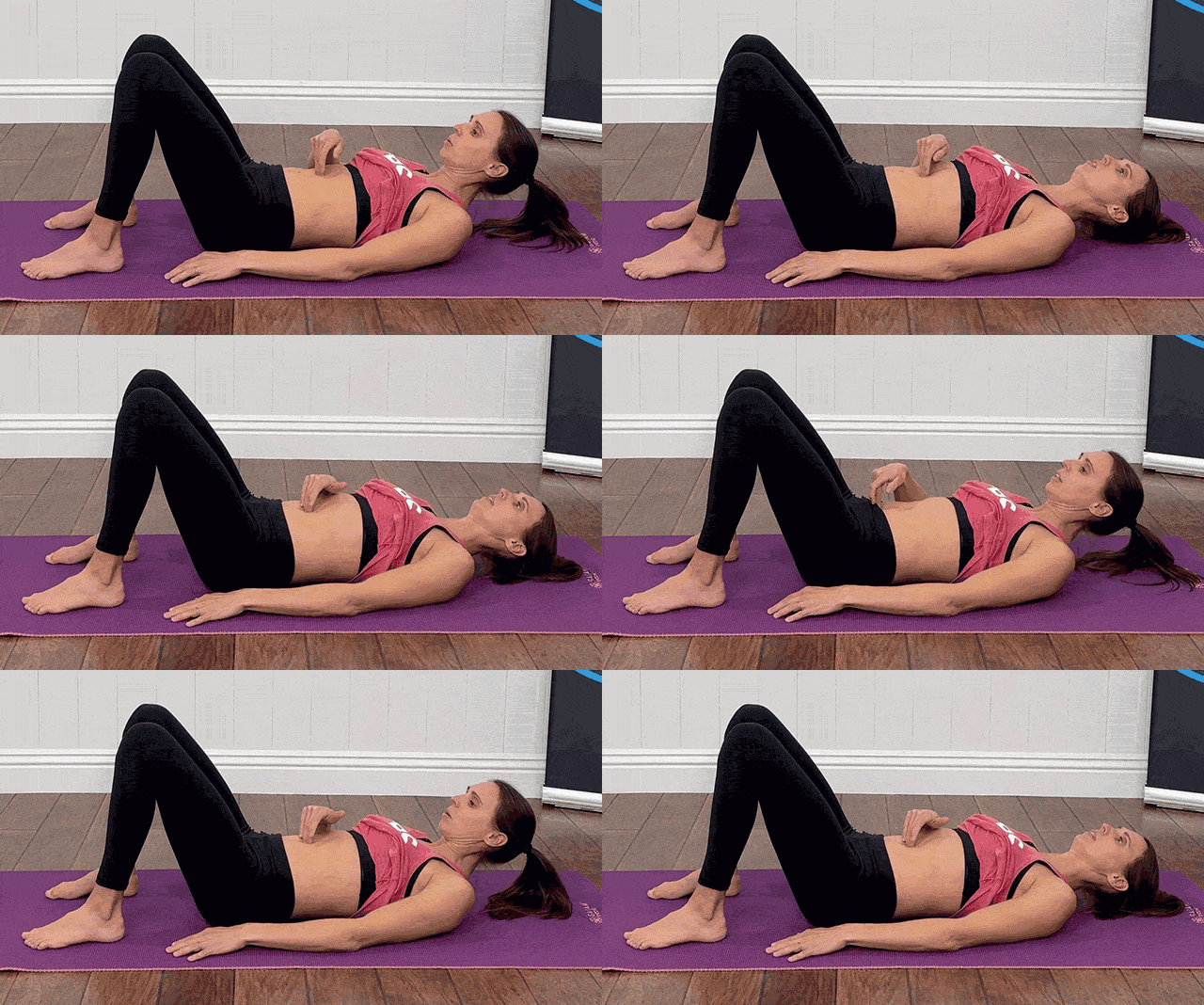
The Small Crunch
The client being assessed will lie on their back with their knees bent, and perform a small crunch by lifting their head and shoulders slightly. You or your client will use two fingers to assess the midline above, at, and below the belly button. Note both width and depth.
→ Width
The distance between the rectus muscles
→ Depth
Reflects tension in the linea alba
Width measures the distance between the rectus muscles, while depth reflects tension in their linea alba. A wider gap with good tension may be more functional than a narrower gap that feels soft, so width should not be assessed in isolation.
During Breathing
Have them take a full inhale, then slowly exhale while gently engaging their pelvic floor. Ideally, the midline should become firmer with the exhale.
→ IF THE MIDLINE FIRMS UP
They might simply need progressive overload to improve their resting abdominal tone.
→ IF THE MIDLINE STAYS SOFT OR PUSHES OUT
Assess rib cage mobility, pelvic floor function, and breathing mechanics first to build a stronger foundation before adding load.
During Movement and Exercise
Finally, assess the abdominal wall during other movements and exercises. Some diastases firm up with load, while others soften or develop visible doming. This helps you find the right stimuli, load, and exercises for each individual.

Doming or coning can indicate that the abdominal wall is not effectively managing pressure during a particular activity. A midline that feels especially soft or sinks deeply may suggest the abdominal muscles aren't generating enough tension through the linea alba.
TA Versus Rectus: Their Roles in a Diastasis
No matter the location, the TAs and rectus abdominis both play a role in a diastasis.
The transverse abdominis contributes to load transfer and spinal and pelvic stability and can help reduce diastasis depth by increasing tension through the linea alba. However, engagement of the TAs during an isolated abdominal drawing-in maneuver can also increase the inter-recti distance Lee & Hodges, 2016).
This study finding also indicates that excessive stiffness in the lateral abdominal muscles can potentially place additional pulling tension on the linea alba.
On the flip side, the rectus abdominis controls the width of a diastasis, with research indicating that when compared to side planks and drawing the abdominals in, a curl-up produced the greatest reduction in inter-recti distance (Depledge, June 2021).
This means that a weakened or overly lengthened rectus can contribute to a wider diastasis.
So, whether you program more TA or more rectus strengthening will depend on the individual’s presentation. Traditionally, being able to create tension across the midline was prioritized over width, as long as the width was less than 2 fingers.
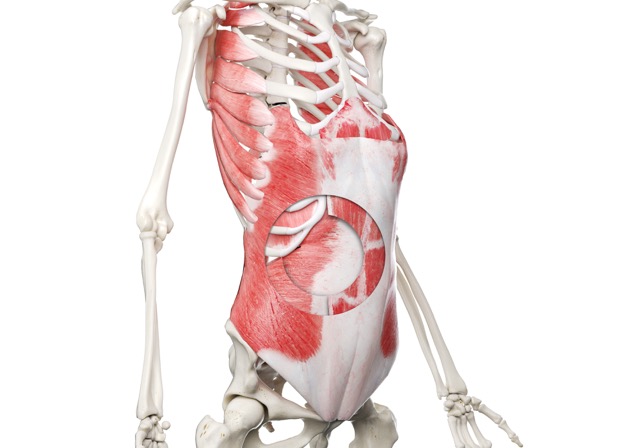
Spotlight on Doming
Clinical questions have arisen asking how concerned we should be about doming, or whether doming may actually be necessary to help improve tension in the linea alba.
You may hear that any activity that causes doming should be stopped, while others suggest that doming doesn’t matter and movements can continue without modification.
The reality lies somewhere in between.
Doming should be viewed as useful feedback that can guide exercise selection and progression.
Soft vs. Hard Doming
A good rule of thumb is to monitor for hard versus soft doming.
→ Soft doming
You can push your fingers into it
Can be appropriate and provide an overloading stimulus that is needed for creating fascial changes.
→ Hard doming
You can't push your fingers into it
Can indicate poor abdominal control and an exercise that is too challenging.
It’s also important to ask your client where they are feeling the exercise. If someone feels their abs working, then it’s more appropriate to continue working at that level of challenge as compared to someone who is not feeling their abs working or has discomfort through their midline.
When we find the right level of challenge, even if everything isn’t perfect, we can improve strength and the appearance of doming with the right intentions and feeling it in the desired places. This allows for fascial remodelling, muscle hypertrophy, and progress to occur, just like any other muscle or movement we are looking to get stronger.
Beyond the Gap
Another clinical question concerns the importance of measuring a diastasis with a small crunch. Research has shown that measuring a diastasis may have limited clinical value with inconsistencies in diagnostic criteria and findings that do not always match a person's symptoms or quality of life. (Skoura et al., 2024). A wide diastasis does not automatically mean poor function, and a smaller diastasis does not guarantee good pressure management.
So, should we stop assessing the diastasis altogether and focus solely on function?
Not so fast!
The most useful approach considers the full picture. We can expand the lens of how we’re using the small crunch by applying it as an immediate test, retest. Exploring changes in their abdominal wall response after cueing, addressing lateral abdominal tension, or performing repositioning exercises first gives us more information about what their system needs.
Performing a small crunch is just one way to assess core response and function. Similar responsiveness and coordination of the abdominal wall can also be observed in other exercises to further help with exercise selection, cueing, and intensity. No matter which movement is performed, width and depth provide information about the structure and tension of the linea alba, while breathing, pressure management, doming, movement, and symptoms tell us how the abdominal wall is functioning.
Looking at both structure and function together gives us a much more complete picture of abdominal wall health, and can help to guide treatment more effectively.
Using the Diastasis Recti Abdominis Questionnaire (DRAQ) is another way to provide greater insight into what it means to have a diastasis. It's a 27-item patient-reported tool that was developed to evaluate the physical, gastrointestinal, and psychosocial impacts.
When someone has a diastasis, it’s important to remember to:
- Treat gap measurement as one factor. It's useful, but it isn't the outcome that matters the most.
- Consider what else the person reports. Do they feel disconnected through their middle? Do they have trouble transferring load when lifting, carrying, or getting out of bed?
- Pay attention to the language used. Words like "broken," "damaged," "weak," or “fix” can negatively shape how someone perceives their body, feels about movement, and views progress.
- Identify progress beyond the gap. Better function, fewer symptoms, less fear of movement, and more confidence all count as wins, even if the measurement hasn't changed much.
The DRAQ can be an important tool for establishing the true effects that a diastasis recti has on someone to identify progress beyond the gap.
Free PDF: Diastasis Recti Abdominis Questionnaire (DRAQ)
Creating a Comprehensive Program for the Individual
A systematic review stated that “a comprehensive exercise program that engages both superficial and deep abdominal muscle appears more effective than passive or isolated approaches in reducing inter-recti distance in women post-partum.” (Begdeli, et al, 2025).
This means a program that includes looking beyond the TAs and rectus in isolation, but also considering what the external and internal obliques are doing, the balance between upper and lower abs, and other complaints or limitations the individual has.
Check out our Diastasis Recti Guide for ideas on how to start restoring balance in abdominal strength and function.
For healthcare professionals looking for a deeper clinical framework, the PCES 3.0 certification course covers assessment, pressure management, and progressive programming for those who want to address a diastasis recti and other common complaints during pregnancy and postpartum.